


Latest edition
Welcome to Asia in Brief
14 October 2026 · The week of 5 Oct - 12 Oct
We round up the biggest stories from across Asia: the politics, economics, a little culture and a fun fact about Asia, all in a five-minute read. In this newsletter series, we bring you the top stories from across Asia over the past week.
India’s opposition is on the streets after more than 130 million names were removed from the country’s electoral rolls. Brussels and Beijing reached a deal on Chinese cars. And Rodrigo Duterte, the Philippines’ former president, has been ruled fit to stand trial in The Hague.
Besides that, some other news of the week include :
North Korea fires more missiles
Interest rates go up in India, and food taxes come down in Japan
Korea celebrates its alphabet

Credit : Unsplash
India: 130 million Voters Removed
Opposition leader Rahul Gandhi was detained twice in two days as protesters marched through New Delhi. They are protesting against a revision of India’s voter lists that saw the removal of more than 130 million names. The opposition asserted that removals mostly targeted its own supporters and is demanding that Chief Election Commissioner Gyanesh Kumar resign. The Election Commission and the government say the revision only removes duplicate and ineligible entries. (The Guardian; Al Jazeera)
Students have joined the protests, along with the “Cockroach” youth movement, whose earlier protests over leaked exam papers forced out the education minister. Their grievances go beyond the voter rolls to a lack of jobs and accountability. This is widely seen as the biggest challenge yet to Narendra Modi’s third term.

Credit : Unsplash
Brussels and Beijing Make a Deal on Cars
After two days of talks in Beijing, EU trade chief Maroš Šefčovič and China’s commerce minister Wang Wentao agreed to limit Chinese exports of hybrid and plug-in hybrid cars to Europe. Šefčovič said the deal could cut those exports “by more than half.” In return, China will ease licensing for rare earths, which European industry depends on, and open its market to EU goods worth almost €4 billion, from car parts to olive oil. (Euronews)
The EU’s trade deficit with China is now €1 billion a day, and Germany and France are looking for tougher measures. EU leaders will review the deal at a summit in Brussels on 20th of November.

Credit : Unsplash
Duterte heads to trial for Crimes Against Humanity
On 8 October, judges at the International Criminal Court ruled that Rodrigo Duterte, who is 81, is fit to stand trial. His lawyers had argued that severe memory loss had left him unable to follow the case, but independent medical experts disagreed. He faces charges of crimes against humanity over killings during his “war on drugs.” Estimates of the death toll range from about 6,000, according to the police, to as many as 30,000, according to human rights groups. (Al Jazeera)
Duterte was arrested in March 2025, making him the first former Asian head of state taken into ICC custody. His trial opens on 30 November.
+ In brief
Sri Lanka: Former first lady Shiranthi Rajapaksa was arrested, accused of misusing a hospital donation made to her charity. (Euronews)
Kyrgyzstan: In a closed-door trial, a court jailed opposition figures Kadyr Atambayev (four years) and Temirlan Sultanbekov (seven years) over an alleged plot to seize power. (The Times of Central Asia)
Culture :

Credit : Unsplash
A holiday for an alphabet
On 9 October, South Korea marked Hangul Day, a national holiday celebrating the Korean alphabet.
King Sejong the Great introduced Hangul in the 15th century which allowed ordinary people to be trained in classical Chinese to ensure not only the scholars could read and write.
Its 24 letters are designed to reflect the shape of the mouth when making each sound. Few countries have a public holiday for their writing system.
Fun Fact of the Week
Bangkok has the world’s longest city name.

Credit : Unsplash
Its full ceremonial name is Krung Thep Mahanakhon Amon Rattanakosin Mahinthara Ayuthaya Mahadilok Phop Noppharat Ratchathani Burirom Udomratchaniwet Mahasathan Amon Piman Awatan Sathit Sakkathattiya Witsanukam Prasit. That’s 168 letters, and Guinness World Records lists it as the longest place name. Thais simply call the city Krung Thep, “City of Angels”. “Bangkok” is mostly what foreigners call it.
Thanks for reading. Leave a comment for us on which stories we should be focusing on next!
Previous edition: 7 October 2026 · The week of 28 Sept - 4 Oct
We round up the biggest stories from across Asia: the politics, economics, a little culture and a fun fact about Asia, all in a five-minute read. In this newsletter series, we bring you the top stories from across Asia over the past week.
On Thursday, Seoul offered North Korea the chance to talk again. Two days later, North Korea fired a hypersonic missile. Thus, this week we look at the rising tension on the Korean peninsula, the fuel crisis in Mongolia, and Japan’s sudden tightening of immigration rules.
Besides that, here are other interesting stories this week:
The Asian Games in Nagoya
Cinemas Awards season
Credit: Unsplash
An Olive Branch Returned By a Missile
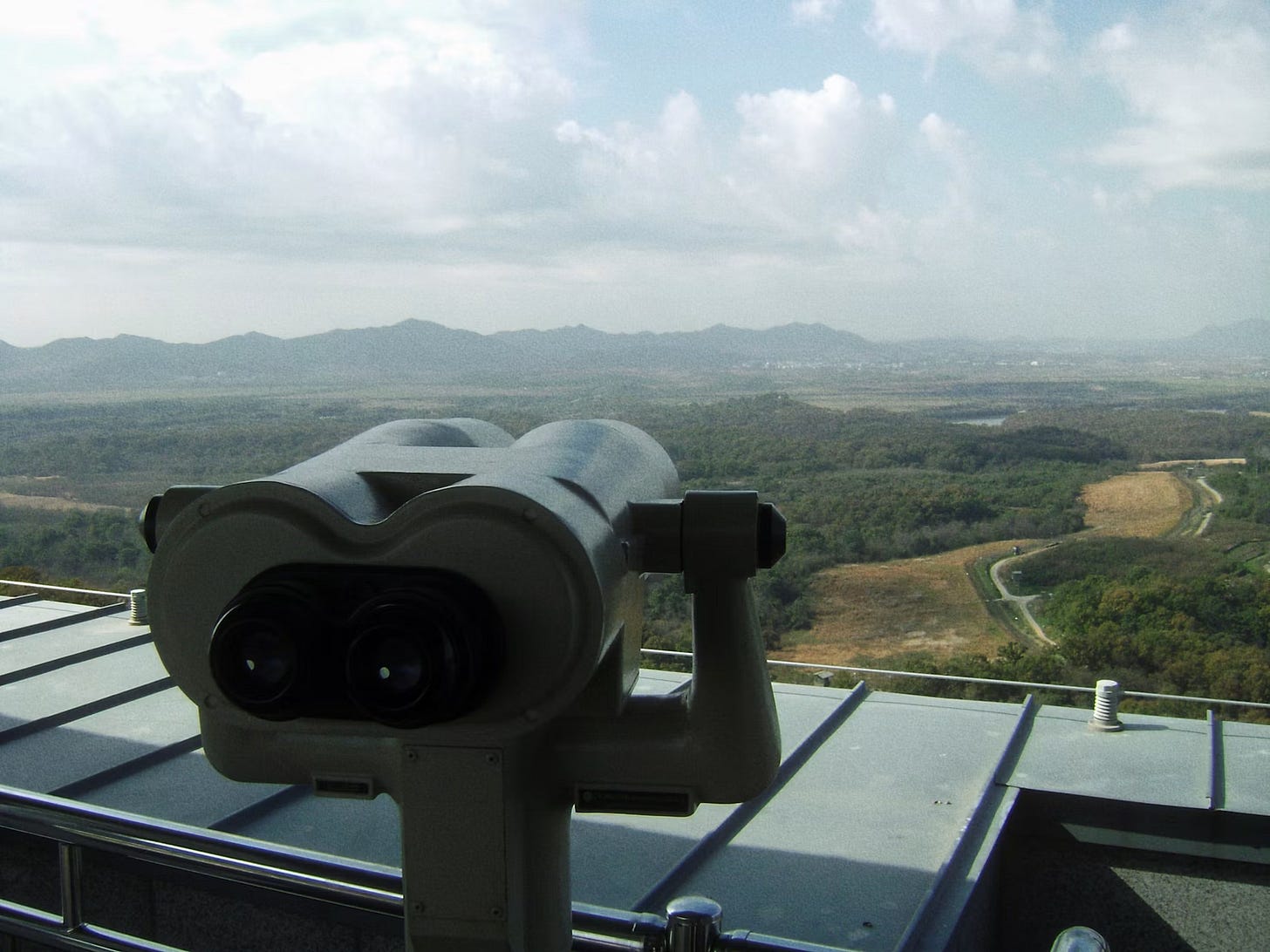
At the Armed Forces Day parade on 1 October, President Lee Jae Myung urged North Korea to return to dialogue. In the same speech, he promised a military build-up that includes nuclear-powered submarines. This invitation for dialogue came after Seoul demanded an apology from North Korea in response to an event of landmine blast in the DMZ on 21st September that wounded three Korean soldiers. (The Star)
On Saturday, North Korea fired a missile from Wonsan. Experts believe it was the Hwasong-16 Na hypersonic missile. Seoul says it flew more than 700km, while North Korean state media claimed 1,000km. (The Korea Times)
The North Korean launch was a response to Seoul’s demand for an apology over the incident, as they denied their role or responsibility for this event. Lee’s approach of offering talks while building up the military looks strained and contradictory in its nature.
Credit: Unsplash
Mongolia’s fuel crisis
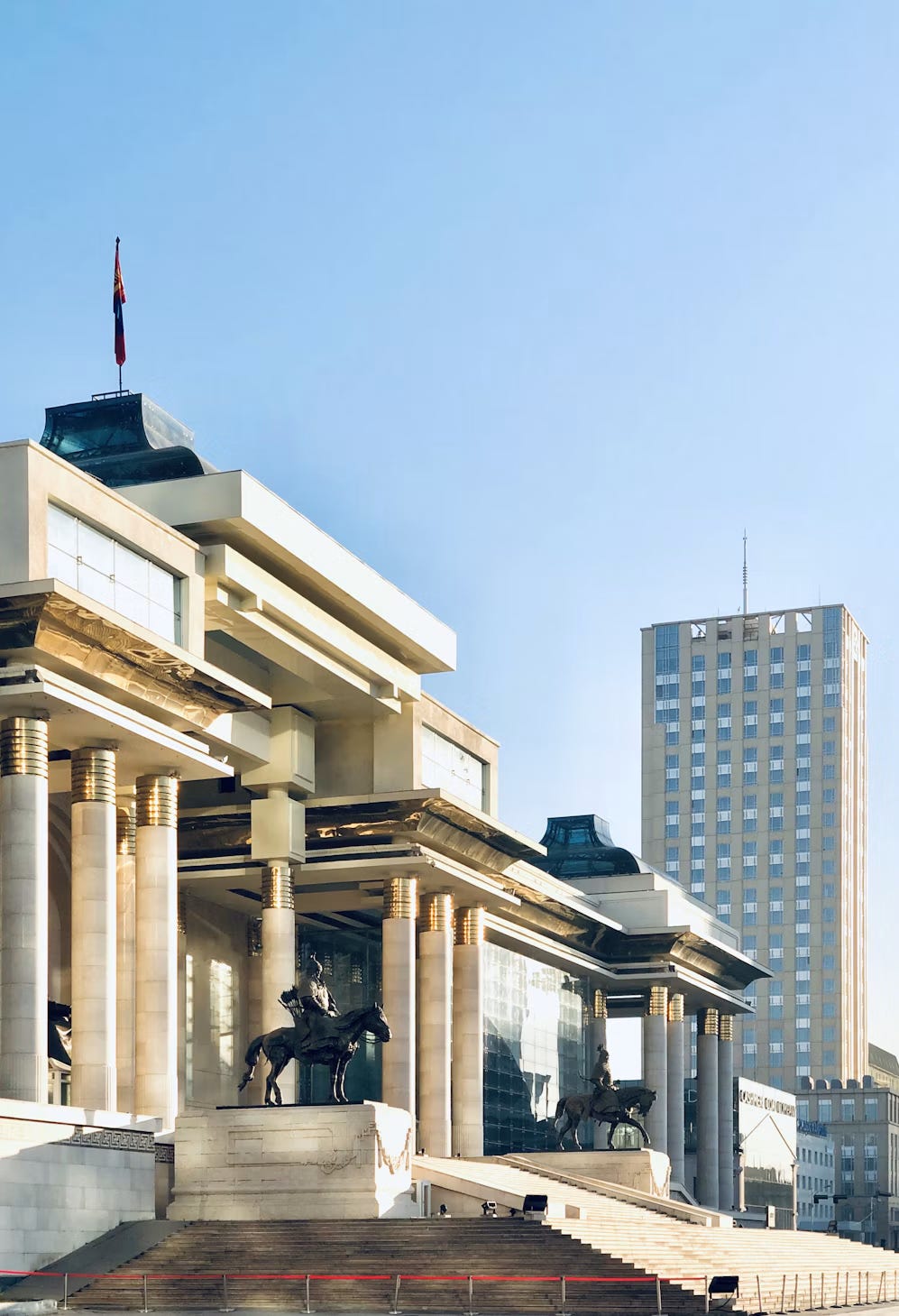
Drivers in Ulaanbaatar left their cars behind and marched on parliament last week to protest rising prices and fuel shortages. At its worst, queues at petrol stations lasted up to eight hours. Rationing (a cap of 50,000 tugrik, about $14, per driver) has now been lifted, but the challenges of long queues and waiting time persist. (The Star)
Mongolia purchases almost all of its fuel from Russia. Ukrainian strikes on Russian refineries have since disrupted that supply, and imports fell by 25% year on year in July. In the meantime, demand is rising at a trend of about 14% a year, which has been inflated over the summer by farming, tourism, mining, as well as the Naadam festival. (The Star)
Credit: Unsplash
Japan’s raising the bar for foreign residents
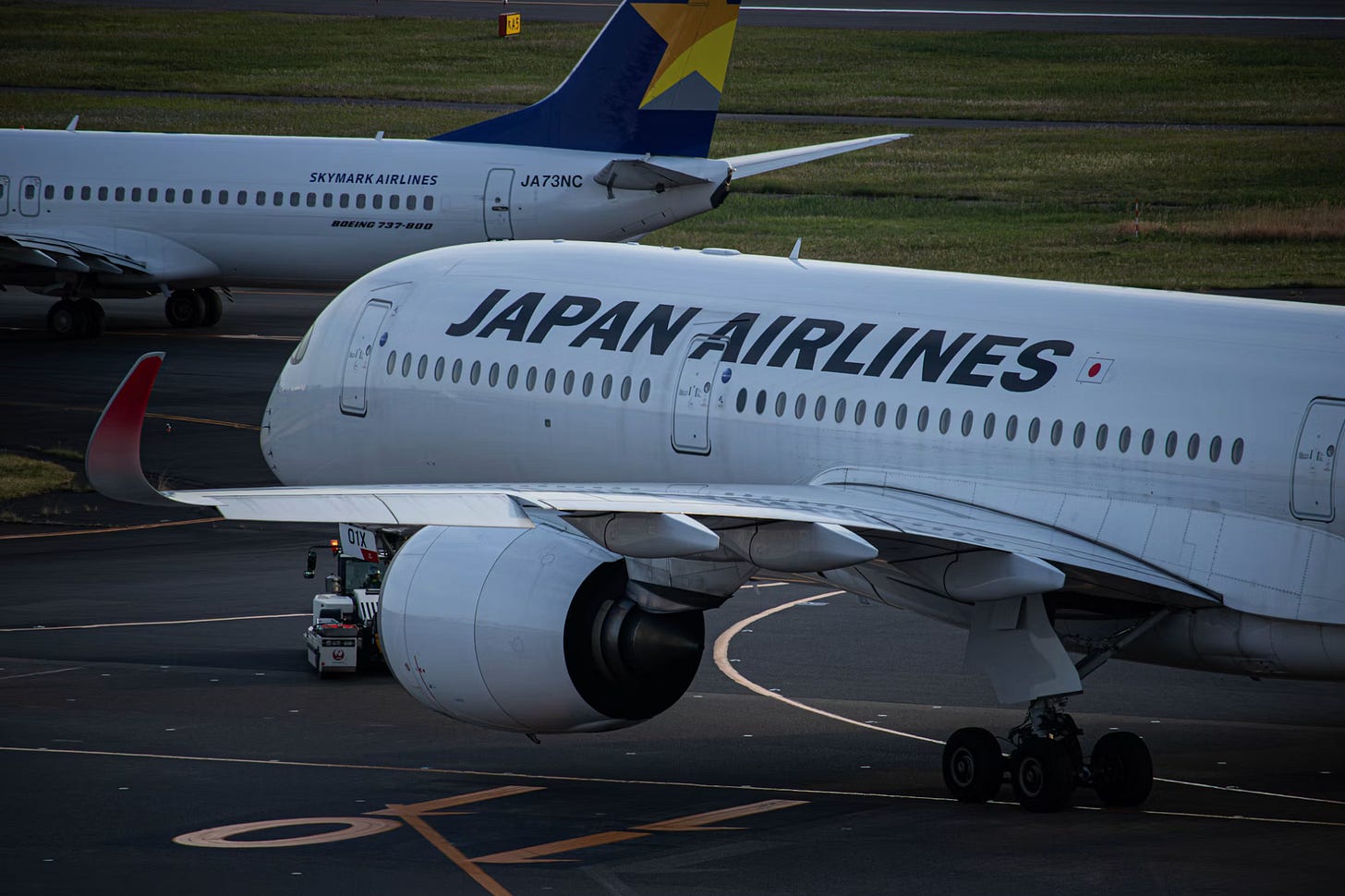
From 1 October, applying for permanent residency in Japan costs ¥200,000 instead of ¥10,000, a shocking and out-of-the-blue twentyfold increase. Applicants now need a household income of at least ¥5.75 million (around USD $36,400) and pension contributions equal to 30 years in the employee pension system. Japanese-language requirements will also get stricter in April. (The Standard)
Before the change came into effect, lines at Tokyo’s main immigration bureau surpassed seven hours. Prime Minister Sanae Takaichi stated that the government had to respond to citizens’ “anxiety” about foreign residents. Business leaders in response warned that Japan’s ageing population needs more foreign workers, not fewer. (Euro News)
+ In Brief
Death tolls in Thailand floods have risen to 31, and up to 3.19 million people have been affected across 29 provinces and Bangkok. (Reuters)
The Asian Games close: China topped this year’s Asian Games at Aichi-Nagoya with 169 golds, Japan set a home record with 83, and Doha is taking over for the next game in 2030. (Al Jazeera)
Culture :

Credit: Unsplash
Red Carpets Out, Flashlights On :
Nominations for the 63rd Golden Horse Awards, the most prestigious prize in Chinese-language cinema, were announced on 1 October.
Sabu’s amnesia thriller Arrested Memory leads with 11 nominations.
Shu Qi’s first film as director, Girl, follows with 10.
The ceremony is on 22 November in Taipei. (Focus Taiwan)
Fun Fact of the Week :
Credit: Unsplash
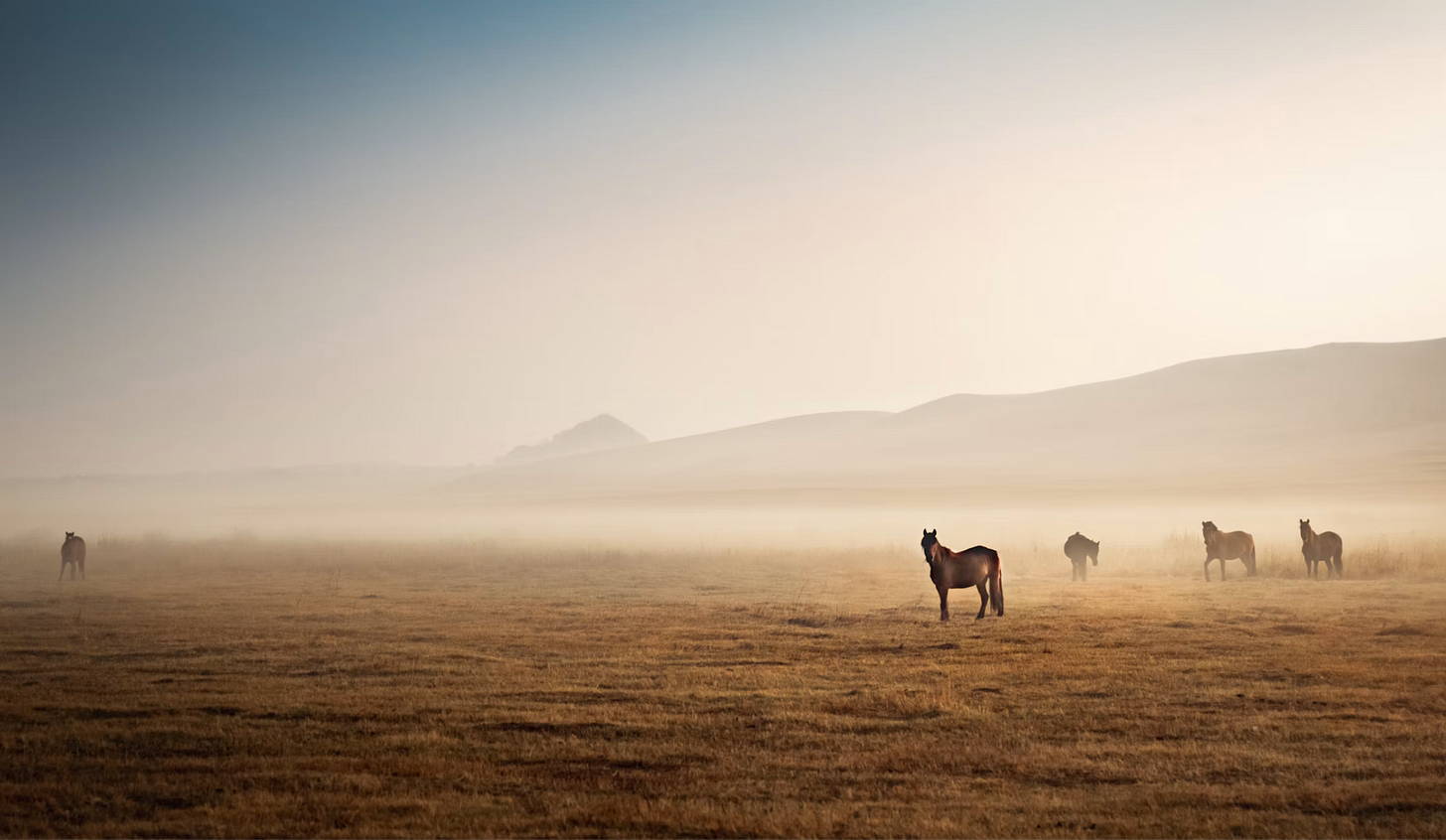
Mongolia is a country with an intriguing demographic where it has more horses than people. There are about 3.5 million people and more than 4 million horses. Link
One way to understand how central horses are to Mongolian life is that horse racing is one of the “three manly games” at the Naadam festival.
Thanks for reading. Leave a comment on which stories we should be focusing on next!


